

Get to know GINAMO in 10 questions
Welcome to the GINAMO (Genetic Indicators for NAture MOnitoring) blog! Whether you’ve already attended one of our workshops or are just discovering us, we’re glad you’re here. This blog is for everyone interested in genetic diversity indicators and their role in biodiversity monitoring. In this first article, we’re keeping it simple: 10 questions to introduce who we are, what we’re doing, and why it matters.
1. What is GINAMO? GINAMO is an international 3-year research project, started in 2024 and funded by the European Biodiversa+ partnership. Our main goal is to develop science-based guidelines for the use of genetic indicators, co-created with the people who will actually use them (stakeholders). GINAMO includes conservation geneticists, social scientists, facilitators, and students from countries across Europe and the US. Get to know some of us in the photos below this text! We are a lot of people, so there isn’t space for everyone in this post – you can find the full list of members under Team.
2. What are genetic diversity indicators? Genetic diversity indicators (or, for short, genetic indicators) are metrics to assess and monitor genetic diversity. While there are many different genetic indicators, in GINAMO, we focus on those included in the UN Convention on Biological Diversity Global Biodiversity Framework adopted in 2022. These indicators are 1) the proportion of populations within species with an effective population size (Ne) greater than 500, and 2) the proportion of populations maintained within species. Both reflect genetic diversity within species, because species with larger and more numerous populations typically exhibit higher genetic diversity. Importantly, to calculate these indicators, actual genetic (DNA) data is not necessarily required – individual count data or distribution data can be used as proxies. You will read a lot more about these indicators here and in our newsletter!
3. Why are genetic indicators important enough to deserve a whole research project? There are two main reasons. First, species and ecosystem persistence rely on genetic diversity – for example, it is necessary for adapting to future challenges such as an increasingly unstable climate. Safe planetary boundaries for genetic diversity have already been surpassed. Assessing and monitoring genetic diversity is a necessary first step towards protecting it. Second, there is a practical reason: All member states of the Convention on Biological Diversity (= almost all states in the world) are required to report on at least the headline indicator Ne>500 genetic indicator from 2026 onwards. 2026 is approaching quickly and there is so far insufficient practical, science-informed advice for countries (but see here for useful existing guidelines).
4. What is special about GINAMO? In contrast to many standard research projects, GINAMO works directly at the science-policy interface. In addition to analysing data and writing research papers, we aim to produce resources developed with the input of stakeholders who will apply the genetic indicators in practice. The GINAMO team therefore includes trained facilitators helping with the communication between researchers and stakeholders, as well as social scientists observing and analysing the co-creation process.
5. Who are the GINAMO stakeholders? If you are reading this, it is quite possible that you are one of them… Our main stakeholders are all people involved in data collection and calculation, reporting, and storage of the CBD genetic indicators. Depending on the country, this includes e.g. governmental organisations, research institutes, and NGOs. We mostly work with stakeholders in five countries at the moment (Belgium, France, Italy, Norway, Sweden), but our outcomes should be useful for stakeholders from other countries as well.
6. What does “co-creation” look like in practice? This year, we have organised workshops with stakeholders in our five target countries to learn about the status of genetic indicator work there (You can read the workshop reports here: Belgium, France, Italy, Norway, Sweden). We assessed to what extent data and knowledge are already available and how the responsibilities for CBD reporting are divided between different organisations. Most importantly, we asked stakeholders about the challenges they face. These challenges concern issues from species selection (Which set of species should we report on?) to indicator calculation (Which tools should I apply to my genetic data to determine indicator 1?). They tell us where research is needed and where guidelines developed by GINAMO will be most helpful.
7. Is that all? No! The workshops were only the beginning of the co-creation process: At future workshops, in webinars, and in focus groups, we will analyse stakeholder needs in greater detail and ask for feedback on draft versions of our generated guidelines and workflows.
8. What do we do on a day-to-day basis? Many of us are conservation geneticists working on specific scientific questions in our everyday work – for example, finding out which approaches are appropriate for genetic indicator calculation when species have large, continuously distributed populations. These questions address practical challenges in indicator application but often require extensive data analyses or computer modelling. Our work is divided into three scientific work packages, focusing on non-DNA data (e.g. count or distribution data), DNA data, and satellite Earth Observation data. Others in our team work e.g. on the practical aspects of generating standardised workflows or on stakeholder communication.
9. What will the GINAMO output look like? It’s too early to give a precise answer, but we plan to produce both written guidelines – for example, on how to choose species for CBD reporting – and semi-automated pipelines that can be used e.g. for identifying populations in maps or for indicator calculation. Another possible form of output are decision trees, e.g. to help choosing appropriate sampling schemes for collecting DNA data or to delimit populations in a standardised way.
10. How on earth do you pronounce “GINAMO”? The jury is still out on that one! For the time being, we respond to both ˈdʒɪnəmoʊ (as in “gin”) and ˈdʒaɪnəmoʊ (as in “giant”).
If you’d like to know more, sign up for our monthly newsletter and discover new posts about genetic indicators here each month.
Some GINAMO members and why they are excited about the project:
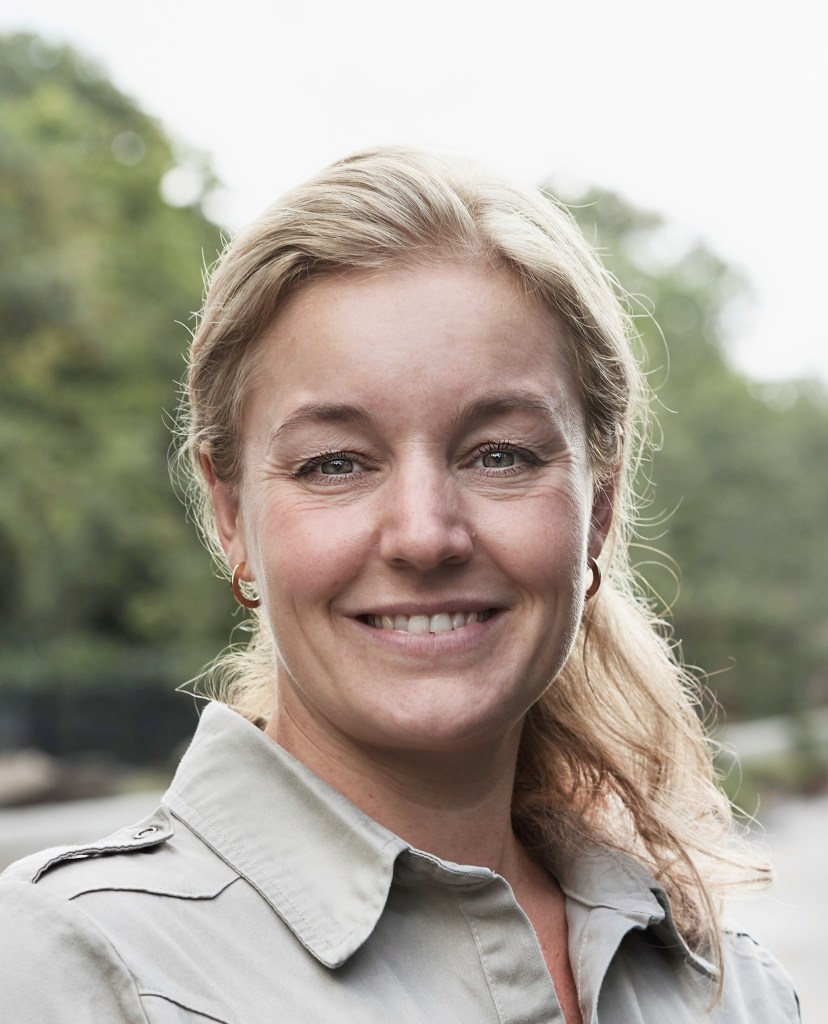
Christina Hvilsom
I am a passionate conservation geneticist, having worked with science-based solutions for management of small populations, supporting efforts from species recovery programs to global biodiversity policy. I am coordinating the GINAMO consortium, comprising a highly skilled team of ~30 scientists. I was part of the team spearheading the project, which I strongly believe will be driving a change in biodiversity monitoring and action, and an appreciation of the importance of genetic diversity for species ability to adapt and resist an ever changing climate and environment.
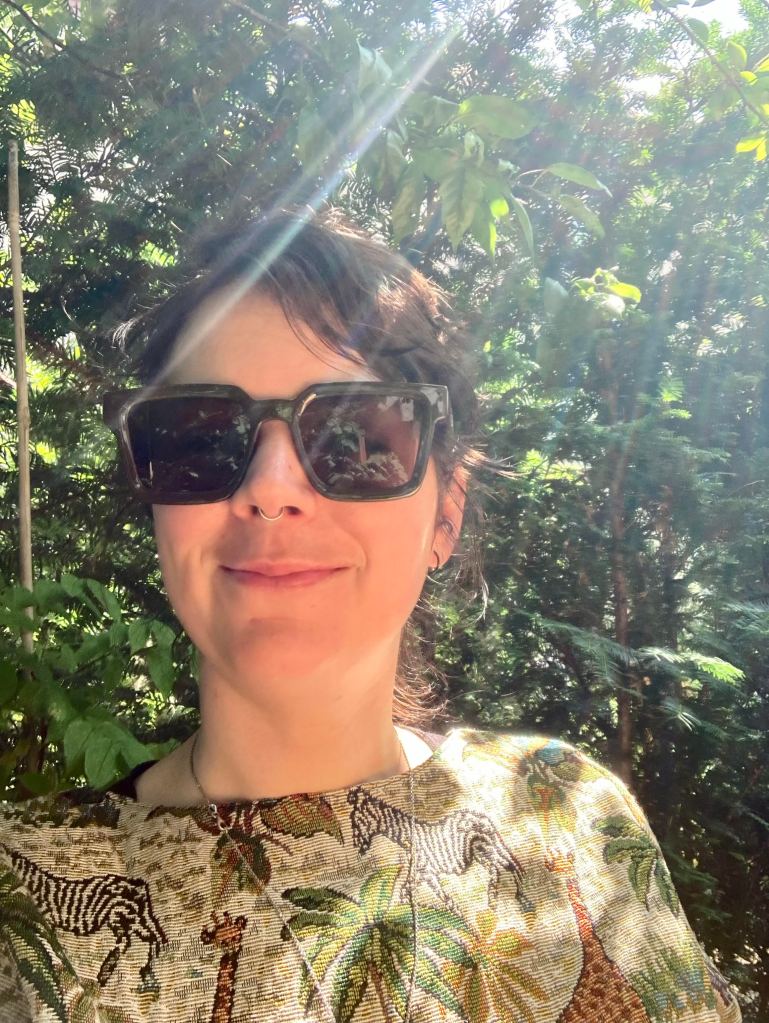
Eva Theunissen
I have a research background in philosophy, visual and digital culture, and social sciences, with an expertise in qualitative research, ethnography and participatory methods. As a social scientist, in GINAMO, together with Carina Lundmark, I evaluate the co-creation processes taking place across five European countries and contribute to science communication. I’m excited to be part of GINAMO because it allows me to apply my research skills in a setting with real-world impact, while also learning a lot from experts across different fields.
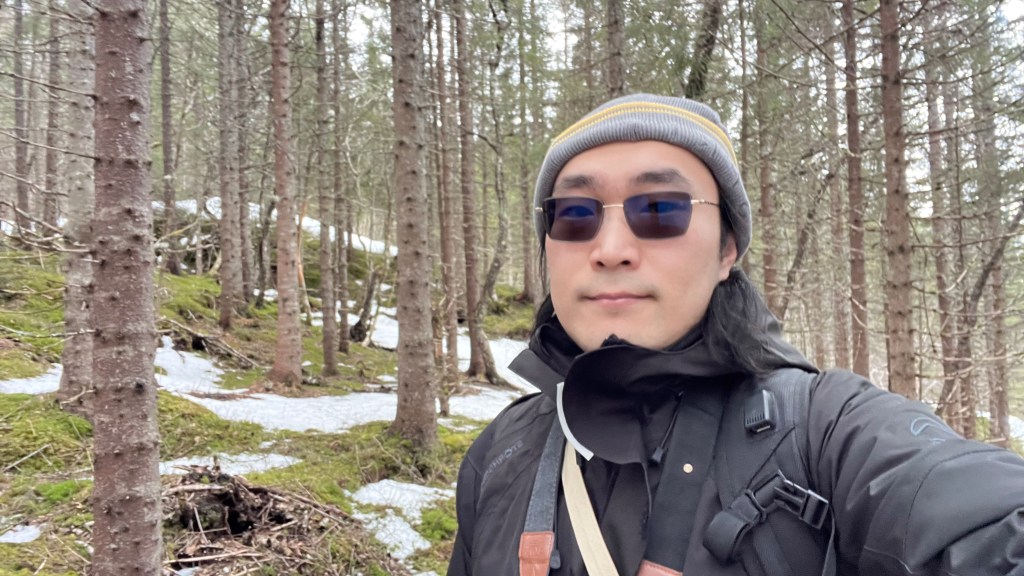
Xiatong Cai
I am a population geneticist studying the eco-evolutionary dynamics between animal adaptation and the ecological feedback driven by human perturbations. In GINAMO, my work focuses on applying artificial intelligence and multi-objective optimization models to develop best practices for designing sampling schemes across species with different life-history traits, aimed at improving effective population size estimation from genetic data. I am excited to be part of GINAMO because it uses a co-creation approach that identifies challenges based on stakeholder priorities, allowing me to connect my research directly to real-world applications.
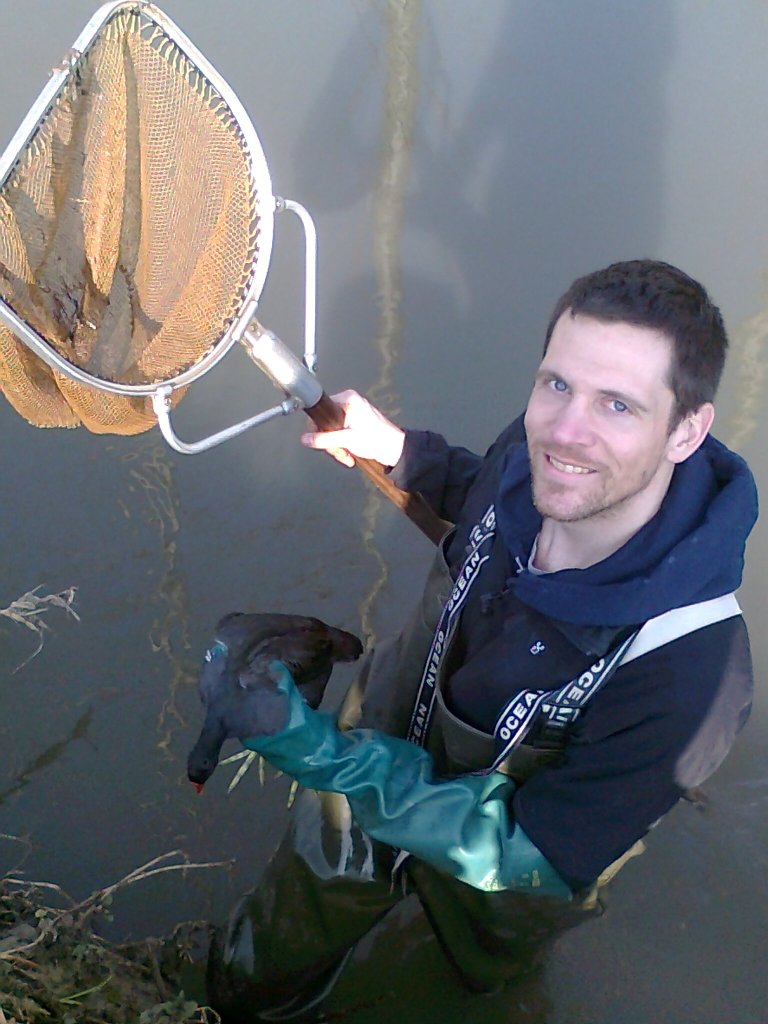
Joost Raeymaekers
I am an evolutionary biologist specialised in the study of genetic diversity of aquatic organisms, such as fish, fairy shrimps, and snails. In GINAMO I am leading WP2, in which we optimize methods for assessing genetic indicators from DNA data. I am excited about GINAMO because we urgently need robust monitoring routines to detect vulnerable populations, not just species!
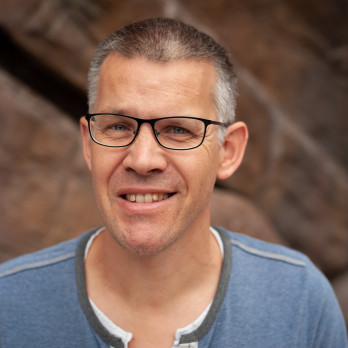
Peter Galbusera
As a conservation biologist, I’m focusing on genetic diversity and managing zoo populations. In GINAMO, together with Alex Kopatz, I’m coordinating WP6 on the co-creation of strategies for implementing genetic indicators as well as on science communication. I am excited to be part of GINAMO because we have the opportunity to reach out to non-academic stakeholders. Photo: Jonas Verhulst

Caroline Mouton
I am a researcher at the Flemish Research Institute for Nature and Forest. I have a background in Biology/Ecology, and for almost five years, I’ve been working on genetic diversity and population genetics, primarily in amphibians like the common spadefoot toad, moor frog and pool frog. In GINAMO, I am currently gathering (genetic) information to assess the bird species on the Annex I list of the Birds Directive at a European range level. I joined GINAMO because I believe genetic diversity is crucial for conservation and biodiversity monitoring. I am excited to help implement and report genetic indicators, and I appreciate being part of a team of like-minded individuals working together on this important topic.
 GINAMO blog