

The genetic indicators included in the Kunming-Montreal Global Biodiversity Framework were designed to represent the genetic diversity of species in each country. But which species, exactly? Because it is currently impossible to assess all species, this is one of the first decisions to make for teams working on the indicators. To be clear from the start: There is not a single, simple solution. But there are guidelines (Hvilsom et al. 2022, Mastretta-Yanes et al. 2024), and many countries have already come up with practical approaches. Read on for answers to some key questions, the choices different countries have made, and why genetic indicators are still useful even when the species list is biased.
How many species should be assessed?
The more species, the better. The Convention on Biological Diversity guidelines (page 73) recommend assessing at least 100 species. However, if this is not feasible for the first report in 2026, it is possible to start with a smaller number – a main aim of the first report is to get familiar with the indicators and establish the workflows.
How should the species be selected?
This is of course the central question! Broadly, the list of species should be representative of the species biodiversity in the country. The least biased method would be to just randomly select a subset of all species existing in a country. However, this is often not feasible due to data limitations or political and practical reasons for including certain species – e.g., many countries want to include species already monitored for other purposes. If species are actively chosen, it is important to capture multiple axes of species diversity. Guidance from recent publications (Hvilsom et al. 2022, Mastretta-Yanes et al. 2024, Hollingsworth et al. 2020) suggests including
- species covering a broad taxonomic range
- species from a range of ecosystems, covering terrestrial, freshwater, and marine taxa
- species with a range of traits, e.g. different dispersal distances and life history traits (generation times, reproductive strategies, etc.)
- species with monitoring and conservation needs, such as those that are extensively harvested, Red listed, on national conservation priority lists, or threatened by climate change
- ecologically highly significant species, such as keystone species (e.g. top predators), endemic species, or species with populations showing unique local adaptations
- charismatic or culturally important species
- species of economic value (e.g. game species) or providing ecosystem services (e.g. pollinators).
There is no objective way of weighting these criteria – the choice must be made within each country, guided by national priorities, available data, resources, and expertise. It is recommended to involve a diverse group of stakeholders in this decision.
What data must be available for a species to be included?
The species needs to have occurrence data or DNA data sufficient to calculate the Ne 500 and/or the Populations Maintained indicator. If occurrence data are used, data on dispersal distances might also be required to enable population delineation. It is not necessary to have data for all populations of a species within a country – for example, a recent study suggests that data for at least 40% of the populations are sufficient. Similarly, it is sufficient to have data to calculate one of the two indicators for a given species.
Which species should be avoided?
Non-native or domesticated species can be included, but their number should be limited when calculating the national indicators to ensure it mostly reflects native, wild species. For the Ne 500 indicator, species with clonal reproduction can be included when the number of genetically distinct organisms can be estimated (more detailed guidance here), but should be avoided when that is not possible. Similarly, species where seed banks make the estimation of population sizes highly unreliable should be excluded.
Guidance on whether to include or not exclude hybrid individuals in the assessment is given here.
Won’t there always be some bias in the species list?
Yes, there will be. Data are systematically lacking for certain groups – e.g., invertebrates that are hard to identify or taxa that occur in inaccessible habitats, such as treetops or groundwater. Moreover, because species diversity spans many axes (see above), it is impossible to compile a list that is unbiased in every respect. However, this does not make the indicators irrelevant. The main goal is not full standardisation or comparability between countries, but to increase awareness and monitoring of genetic diversity, and to monitor changes over time, within each country. These goals can still be achieved even if some groups are over- or under-represented in the species list.
How can informativeness be maximised despite biases in the species list?
1. Keeping track of the species selection methods. It is crucial to record how species were selected and which species were excluded due to a lack of data. This will facilitate the interpretation of the national indicator (e.g., lower values might be expected for countries that include many endangered species), highlight gaps where more data are needed, and guide decisions on which additional species to include in the future.
2. Reporting and storing the disaggregated indicators, i.e. the values for each species. The country-level indicator values serve only to show broad trends. Ultimately, the values obtained for each individual species are what matter for monitoring and management decisions. These should be stored on the long term in a standardised format, facilitated e.g. by the Kobo data recording form developed for a pilot study on genetic indicators.
Can the species list be modified over the years?
Yes. The first CBD report on genetic indicators should serve to get the process started and establish the methods. More species can and should be added to the list over time, while ideally, species added once should not be removed. However, when comparing indicator values between reporting years, changes in the species list must be taken into account. One approach is to calculate the indicator twice: once using the full species list, and once using only the species included at both timepoints.
What do species lists look like in practice?
Here are some examples of how different countries decided which species to include in the first report to the Convention on Biological Diversity (CBD) in 2026. The approaches vary widely – but all are useful for monitoring genetic diversity.
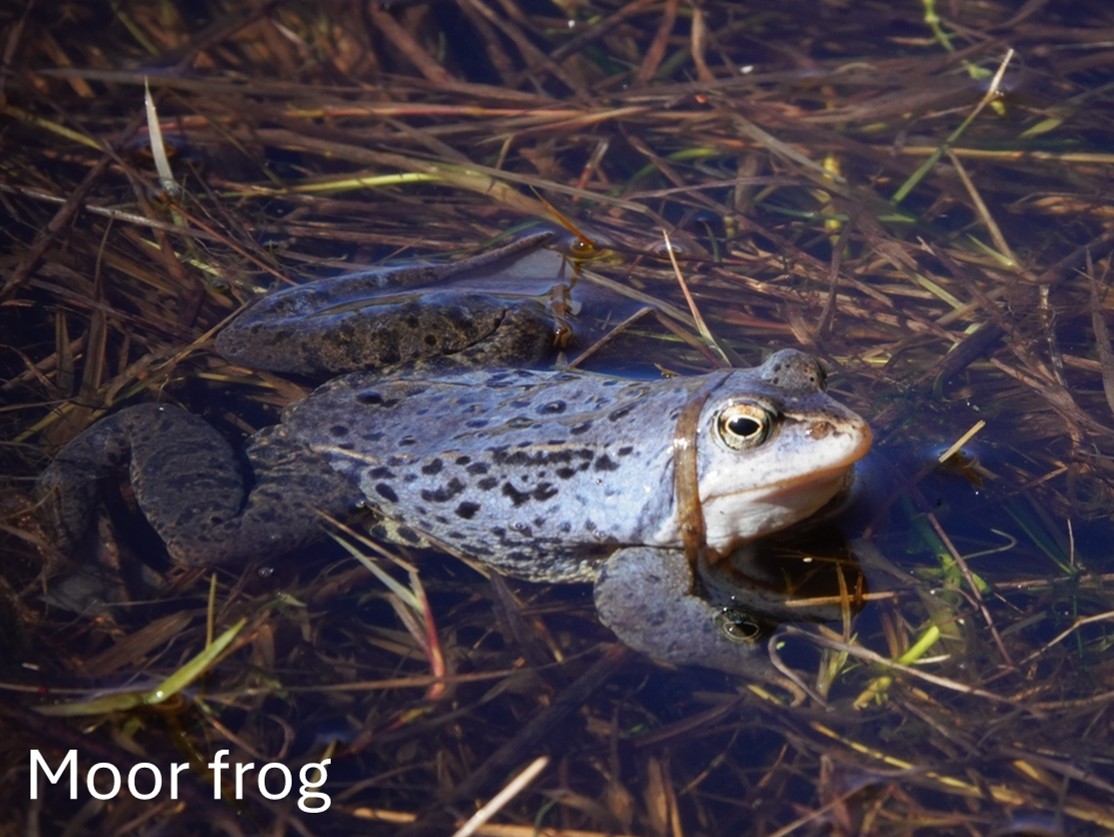
Belgium: The indicators will be reported for a list of priority conservation species established earlier for policy-relevant biodiversity monitoring. These include species in the Annexes II and IV of the European Habitats Directive, as well as species of regional conservation concern. More information about the work on genetic indicators in Belgium can be found in our previous blog post.
France: For France, the first genetic indicator reporting will most probably use the dataset of 72 species from mainland France published in a pilot study on genetic indicators in nine countries (Mastretta-Yanes et al. 2024). These species were chosen to represent a broad range of ecosystems, a large taxonomic variation and include all IUCN threat statuses, from locally extinct to Least concern.
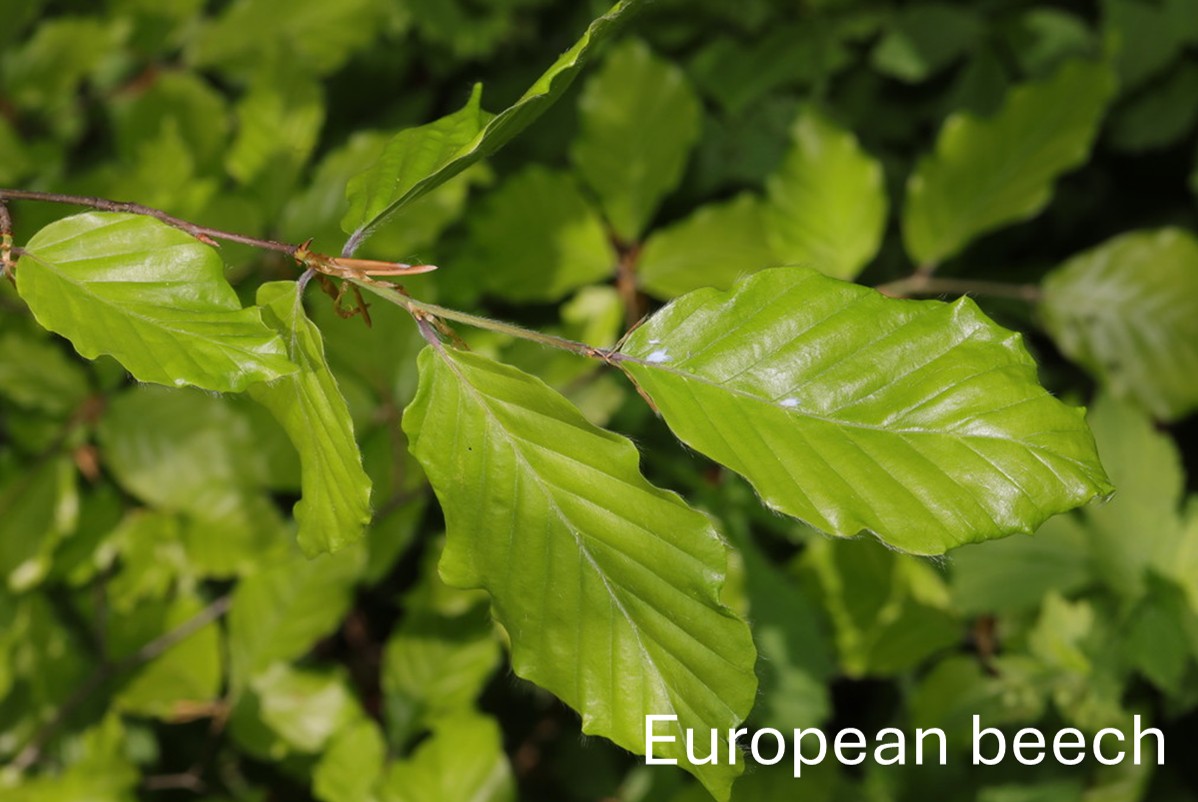

Norway: Four taxonomic groups were selected for the first report (mammals, amphibians, reptiles, and butterflies). These groups have data available from Red List assessments, which can be used to calculate the indicators (i.e., the indicators are calculated from non-DNA data). The indicators will be assessed for as many species as possible within each group.
Ontario, Canada: Species were selected based on a range of criteria listed in the guidelines published by researchers last year (Mastretta-Yanes et al. 2024), ensuring a variety of taxonomic groups, ecosystems, life history traits, distribution ranges, and conservation statuses. Species were initially selected from a list of those already being assessed in the province for being at risk of decline. Additional species were included based on available data or economic importance. (Further information: Ontario Biodiversity Council website)

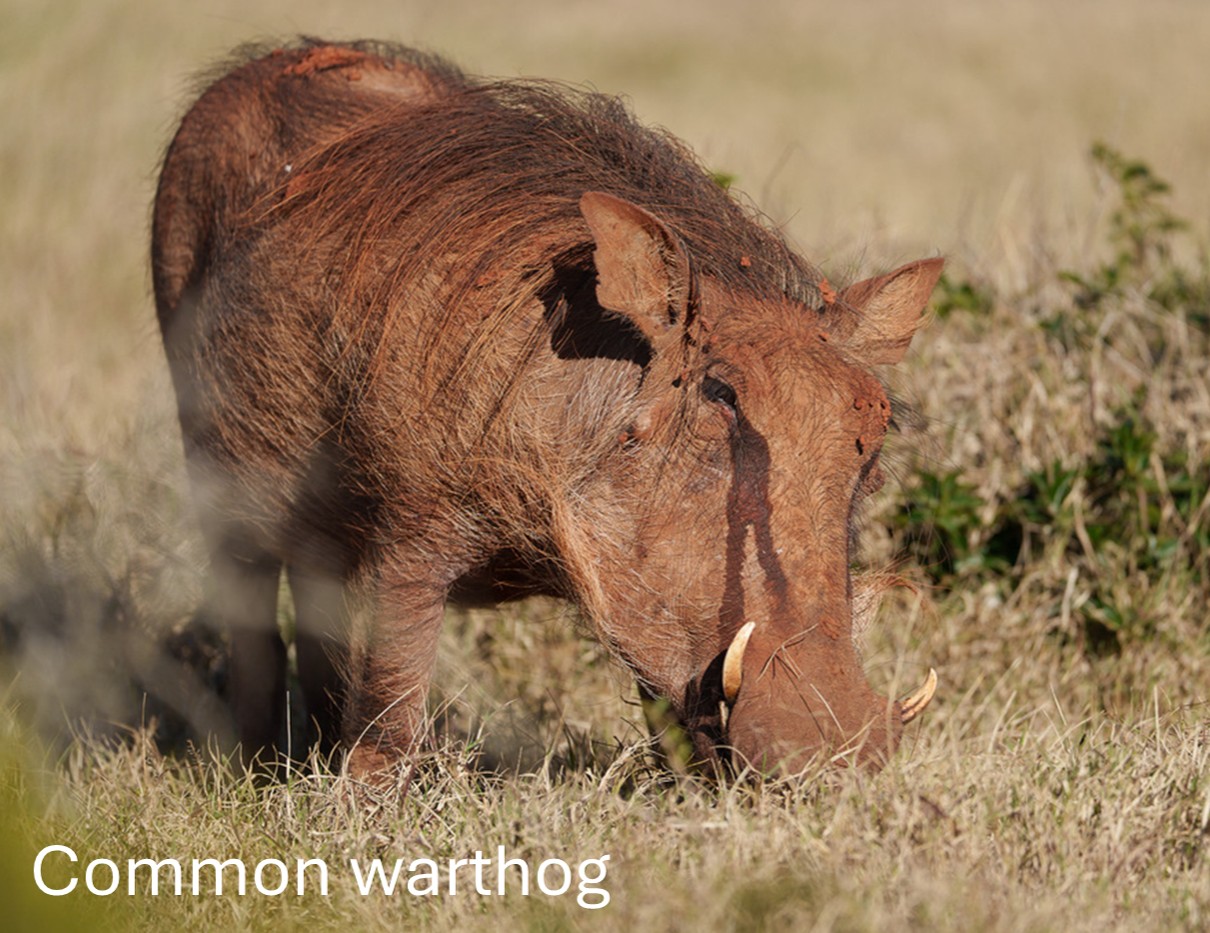
South Africa: South Africa conducts comprehensive genetic indicator assessments by evaluating every species within a taxonomic group (e.g. mammals), rather than selecting a subset. This full-coverage approach increases robustness, avoids potential political or subjective bias, and has led to greater uptake and trust in the indicators. It also highlights data gaps which can guide future research priorities.
Sweden: Sweden chose species based on management interest, the goal to include a broad diversity of taxa, and most of the criteria listed above and in the IUCN guidelines (Hvilsom et al. 2022). In addition, the availability of existing resources was an important criterion. All amphibians, reptiles, and mammals occurring in the country were assessed; another particular focus was on pollinator species. Furthermore, 41 domesticated animal species have been included. The current assessments are reported at the national level; which species will be included in the CBD report is not yet clear. (Further information: Posledovic et al. 2021a, Posledovic et al. 2021b)


Switzerland: Switzerland uses a data-driven approach to species selection: if a species has enough occurrence records to allow for reliable population delineation, it is included in the calculation of genetic indicators. Similar to South Africa’s approach, this method circumvents the bias introduced by actively choosing species. (Further information: PhD project Jasmine Tschan)
United Kingdom: Species were selected to cover several taxonomic groups (flowering plants, non-flowering plants, all vertebrate orders, two invertebrate orders, fungi), all four countries of the UK (England, Scotland, Wales, Northern Ireland), and the different ecosystem types occurring in the UK. In addition, the different criteria listed in the IUCN guidelines (Hvilsom et al. 2022) were considered. (Further information: Joint Nature Conservation Committee website)
Thank you to Jasmine Tschan, Isa-Rita Russo, Jessica da Silva, Pauline Garnier-Géré, Myriam Heuertz, Alexander Kopatz, and Linda Laikre for information on species lists in the different countries!
 GINAMO blog